Beginnings

Kilmarnock Harriers were formed in 1887 and are often quoted (mainly by ourselves ) as the second oldest club in Scotland. Clydesdale Harriers beat us by 2 years, launching in 1885.

However, the official record disbars us from silver place as it only counts clubs (or their variants) that have been in continual existence to the present day.

It appears that we disbanded toward the end of the 1890s and only reappeared in 1913, with a press article of the time describing us as “Scotland’s newest club”.
Discover more about the formation of Scottish clubs

Most of the clubs at the time of our launch were formed as what we now know as ‘cross country’ clubs but back then were often referred to as ‘hare and hounds’.

For the curious, the name “Harrier” comes from a small dog used by huntsman to chase after game. The history of the word, and the sport, dates back to the 1800s when British schoolboys started playing a game called “hares and hounds.” Like hide and seek, the hares would leave from a common spot before the hounds chased in pursuit. Outside of the schoolyard game, the type of hound that was bred to chase hares is called a “harrier.”

There is an entertaining race report from The Weekly Supplement and Advertiser for Galston, Newmilns, Darvel and Hurlford ( now there’s a catchy title! ) from Feb 10th 1888 at Appendix A.

This describes a crowd of between five and six hundred spectators turning up to watch essentially a club run with the hares and hounds of Kilmarnock Harriers racing around Newmilns and Darvel. Remember this was before the Internet and cable TV! From those early days up until the 1960s it was normal for the hares to lay out a paper trail for the hounds to follow. No environmental worries then.

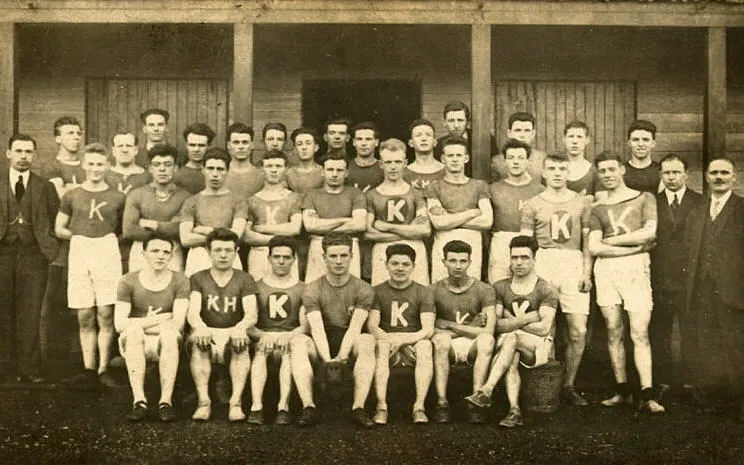
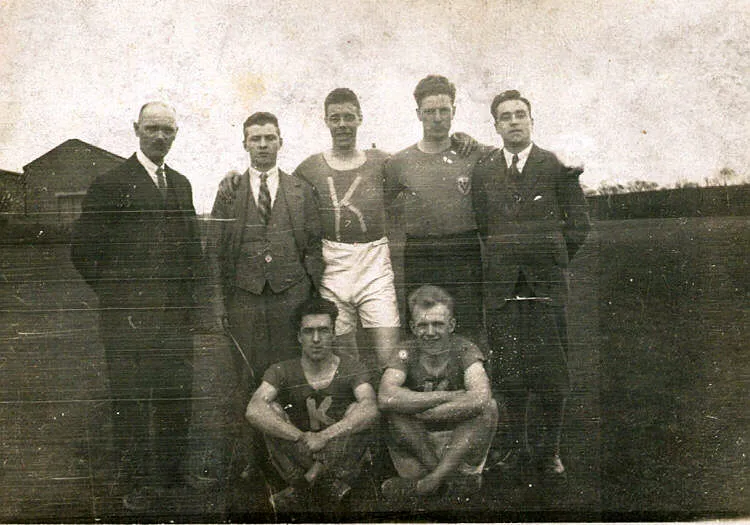
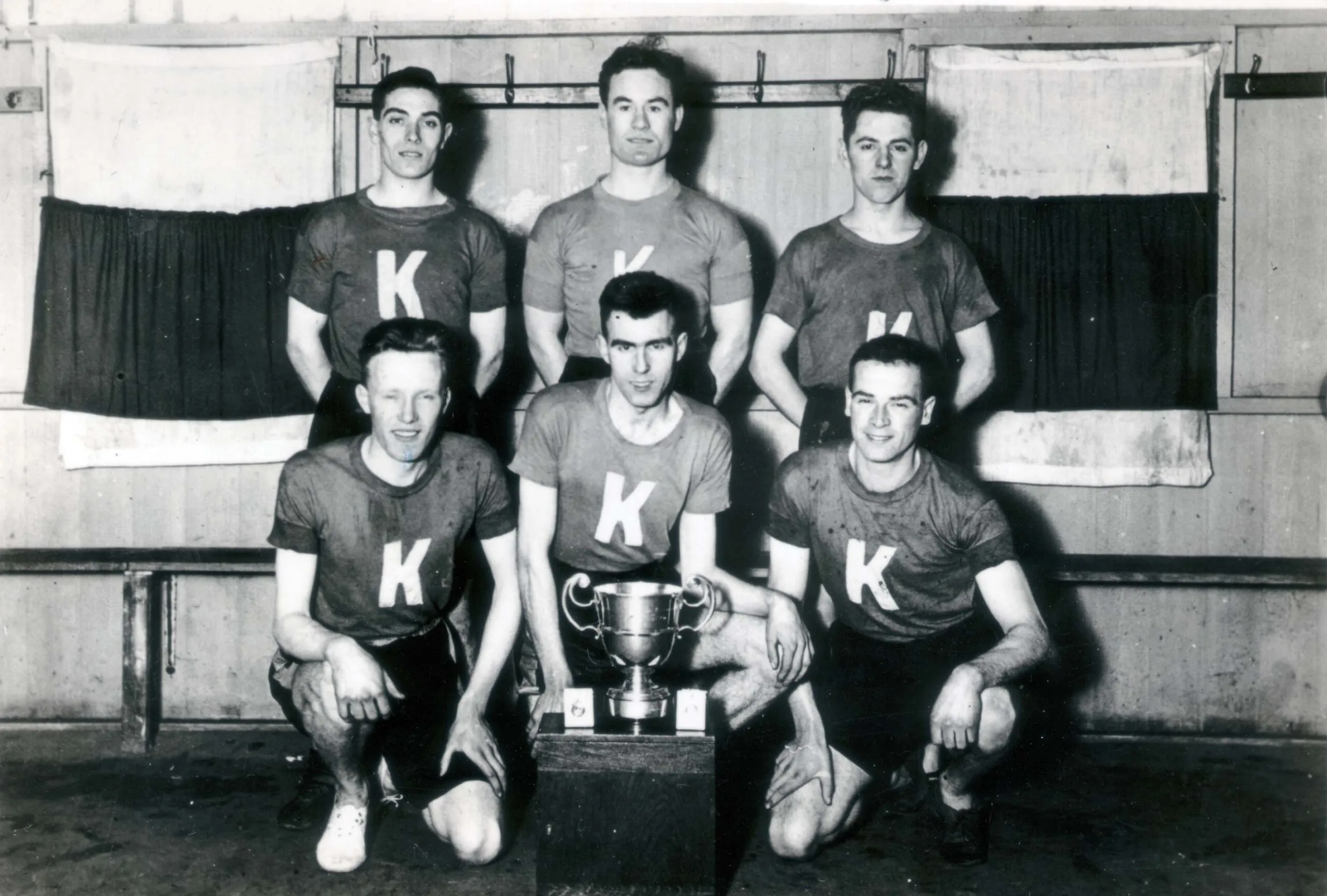
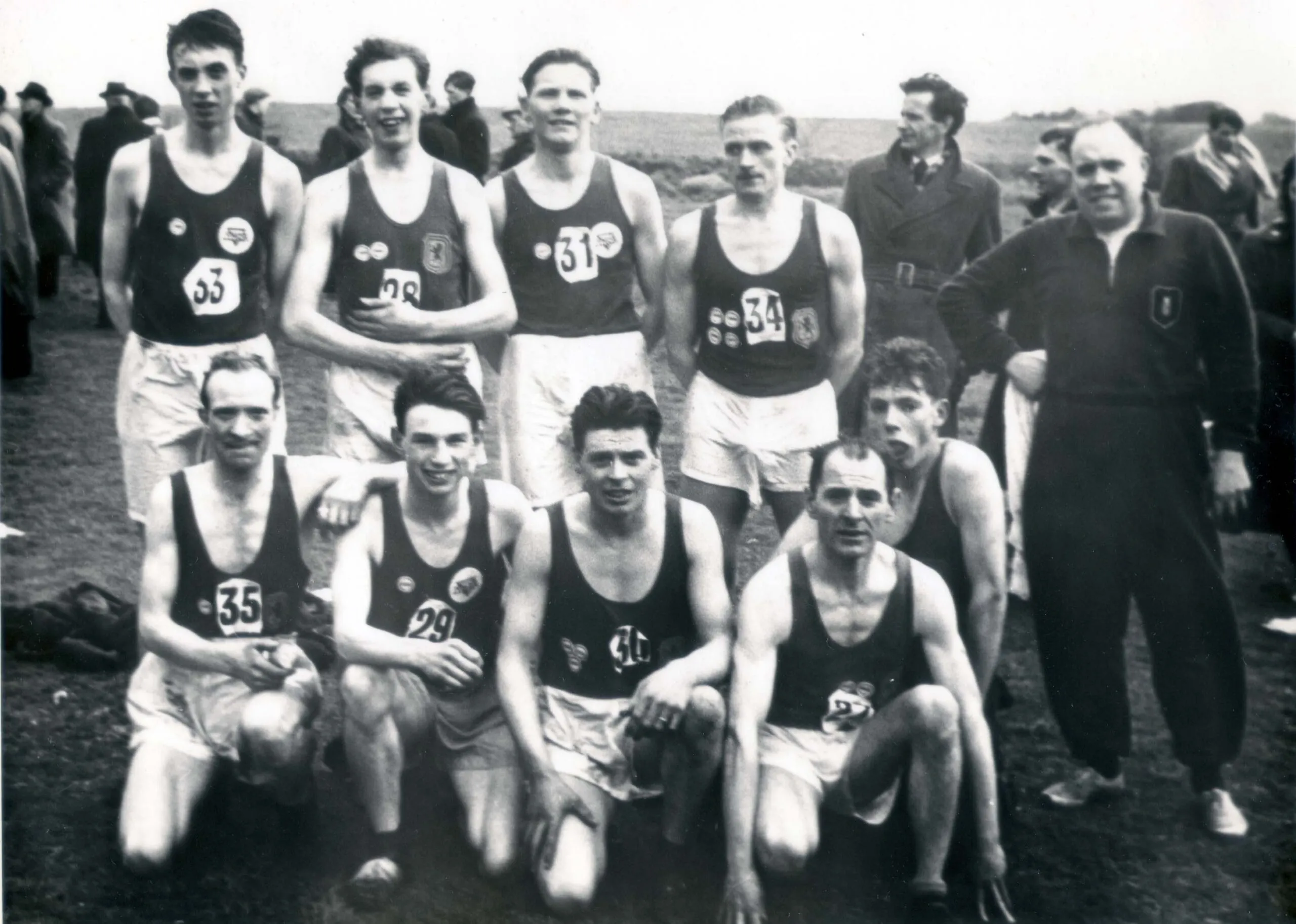
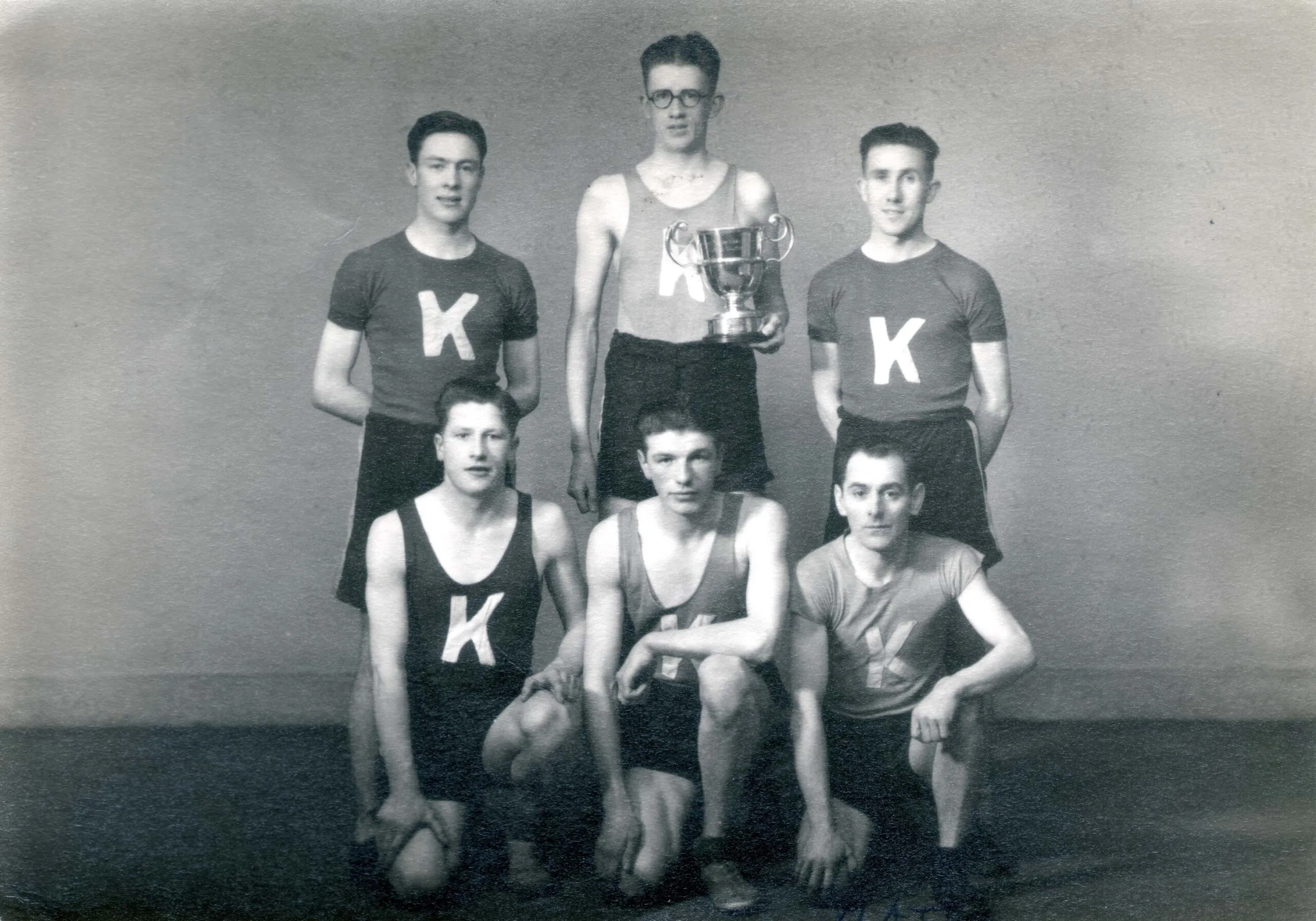
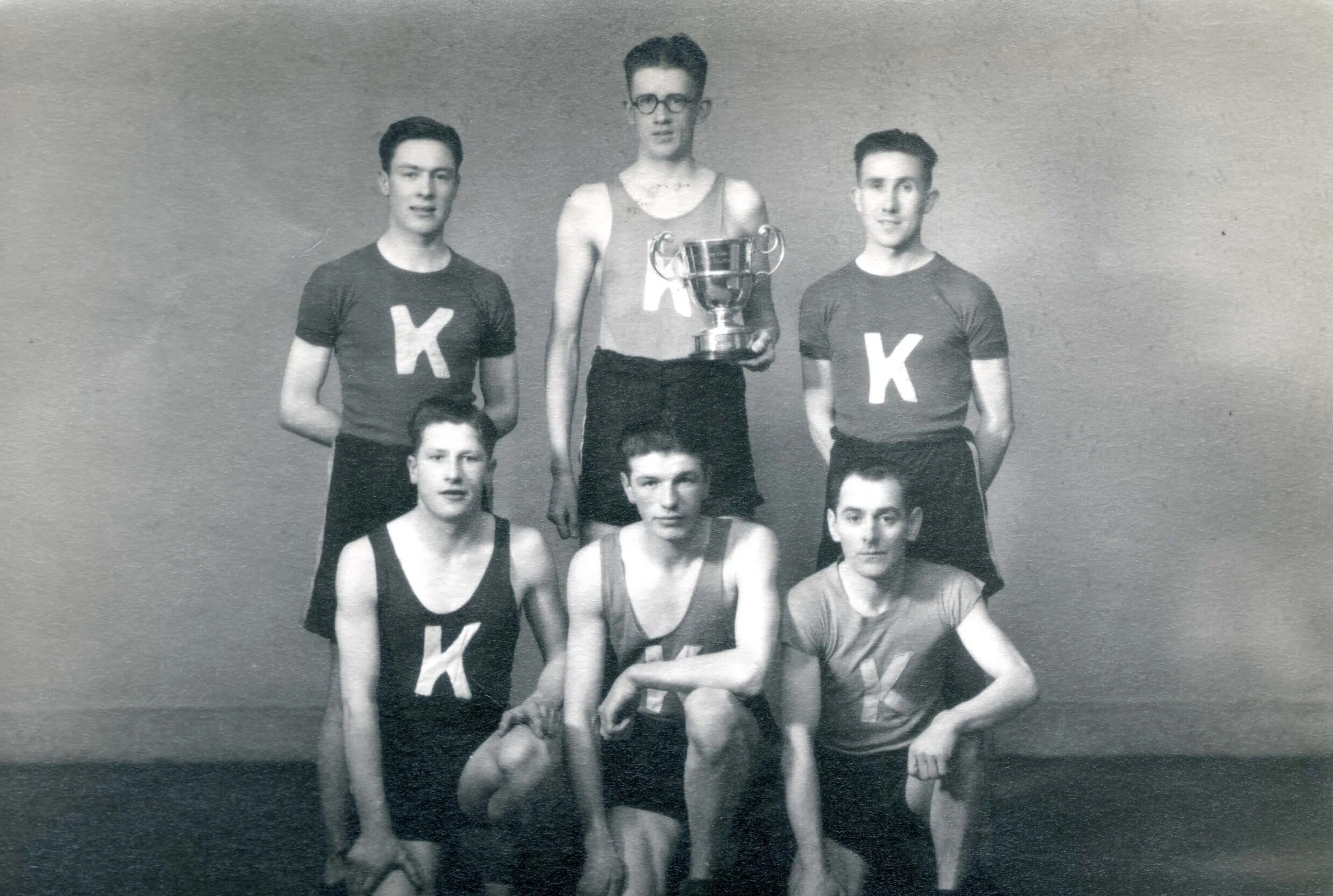
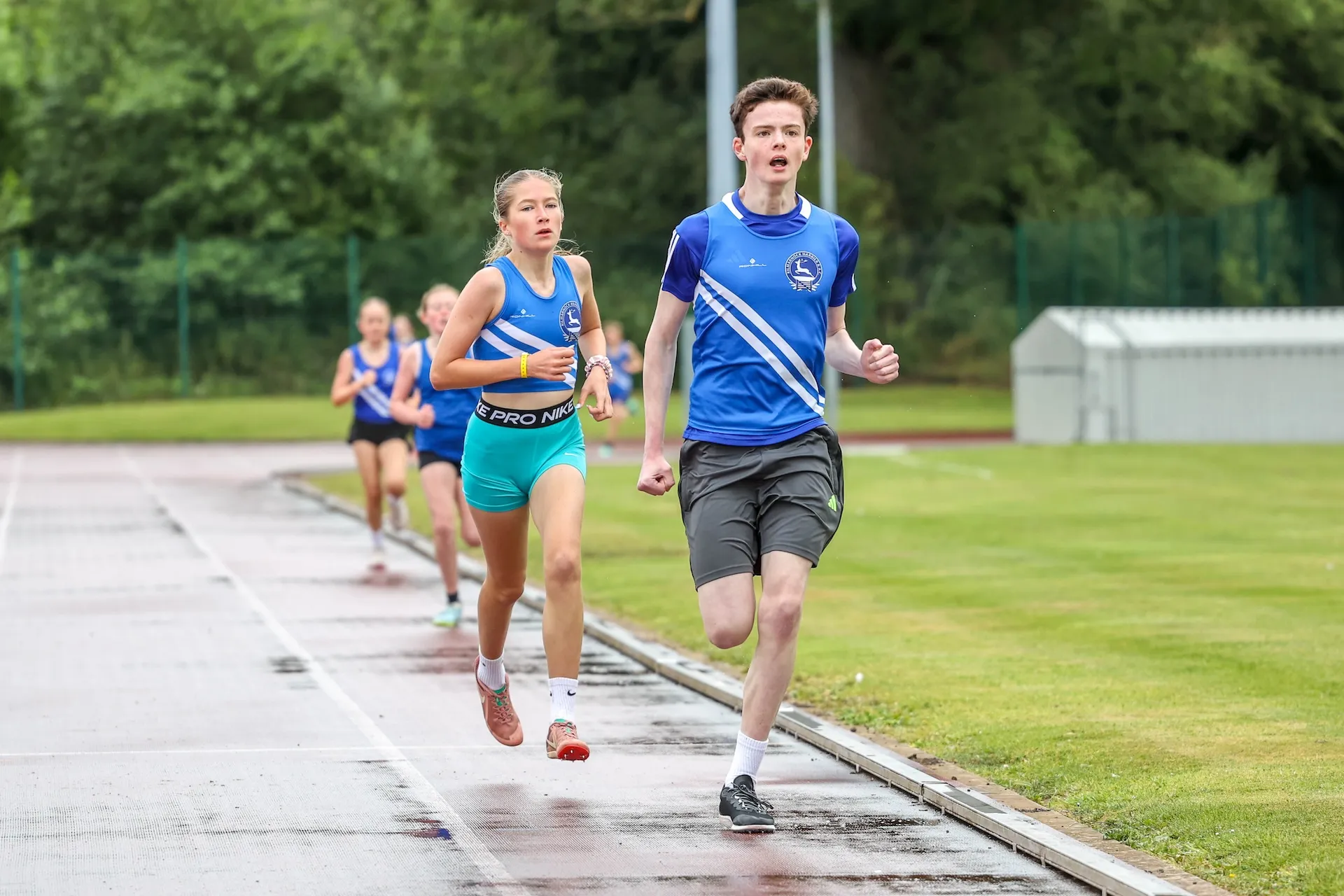
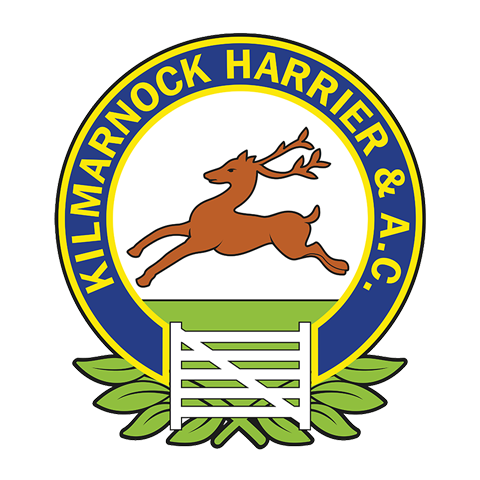
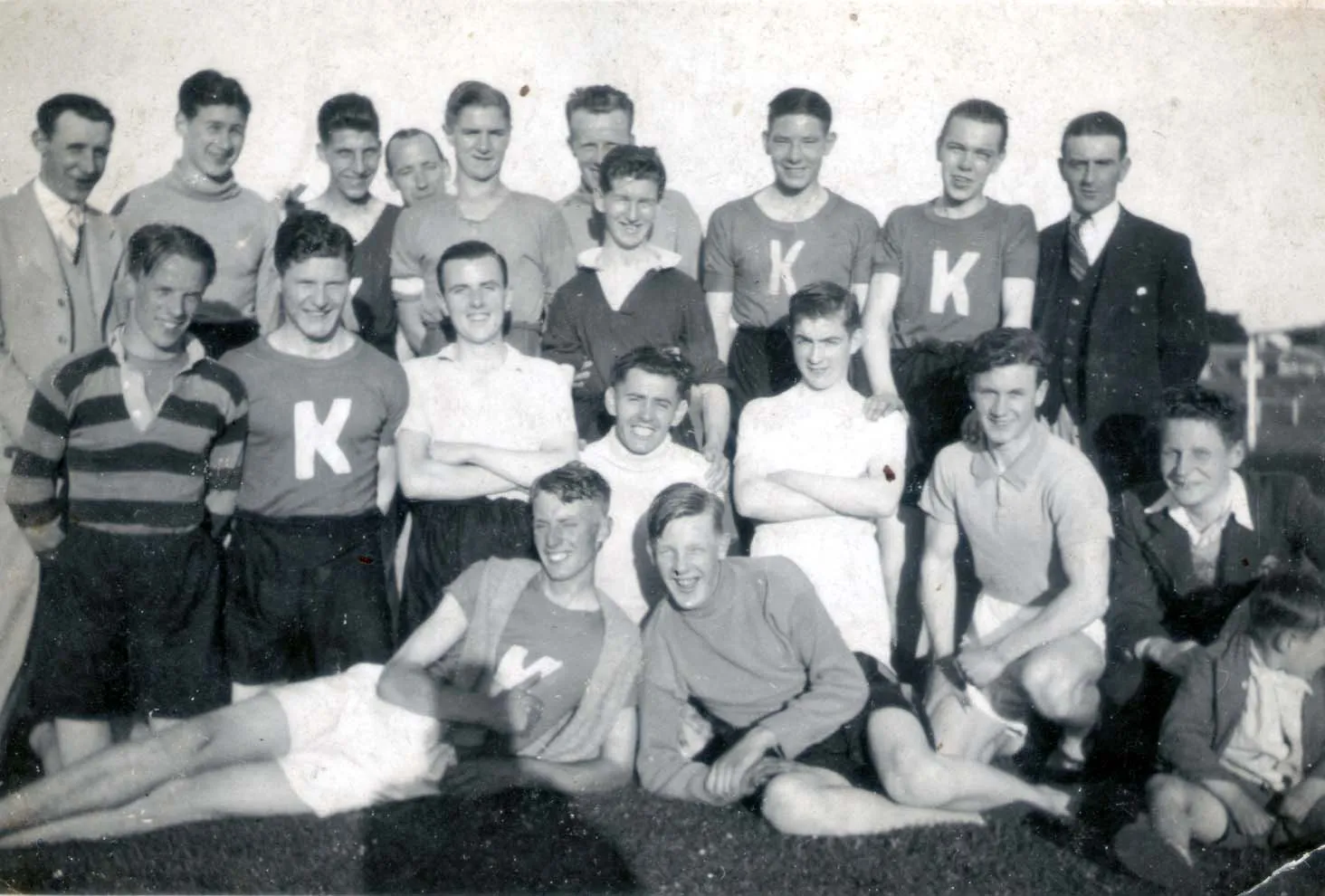
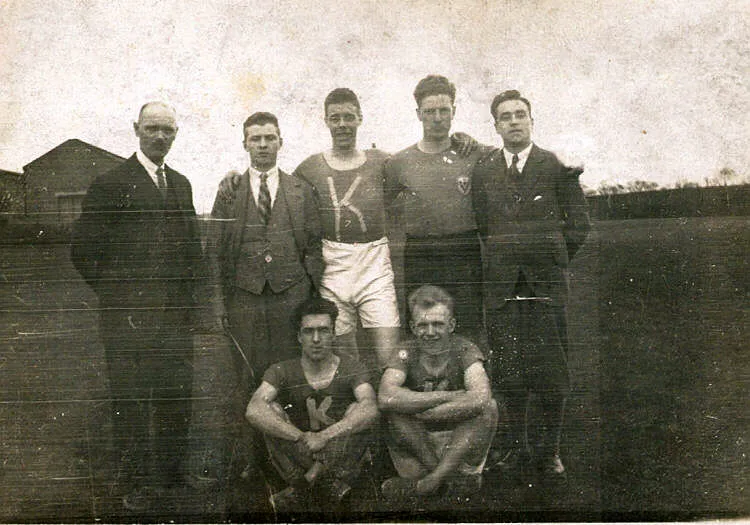
The club badge features a five bar gate often encountered on cross country chases and a deer to represent the quarry. Back then the club colours were a blue T shirt with a large white “K” in the middle (or KH for a couple of renegades).

At that time the club base was Rugby Park home of Kilmarnock FC which started an association with Killie which exist to this day.

AHCA

In 1924 the club joined the newly formed Ayrshire Harriers Clubs Association and were host to the first Ayrshire Cross Country Championships. The race started at Rugby Park over a 7 mile circular course, with Beith, Kilmarnock, Mauchline, Saltcoats YMCA and West Kilbride competing for the trophy.

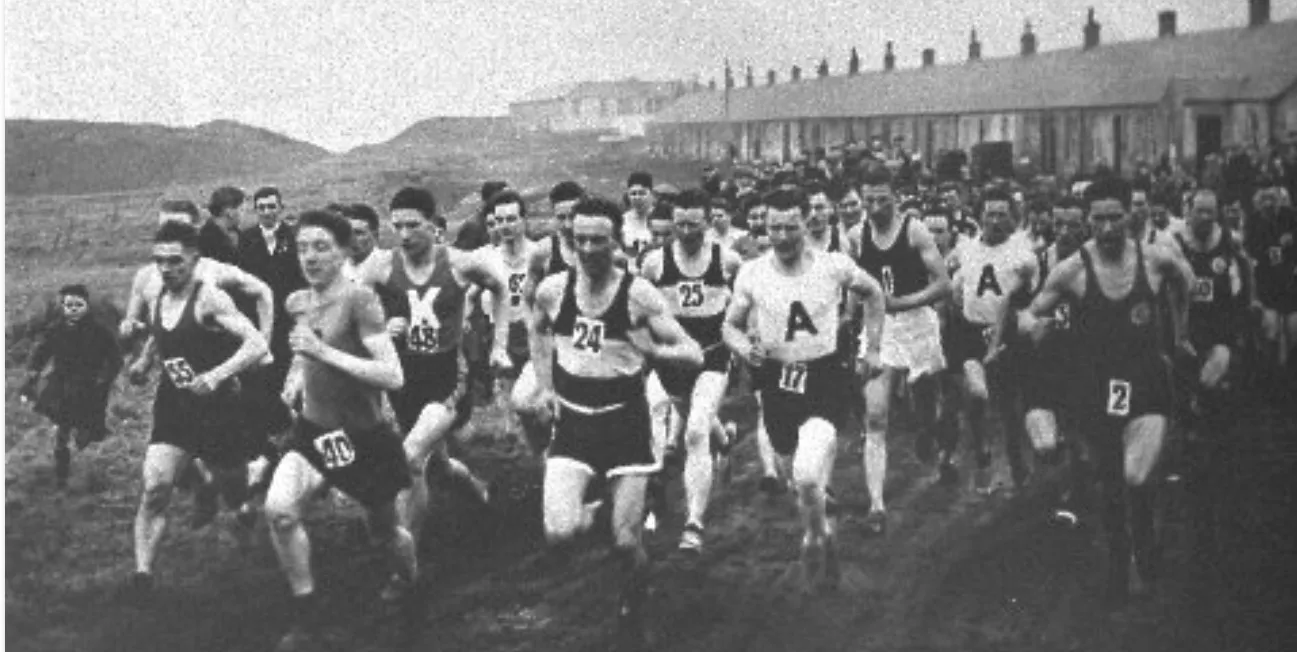
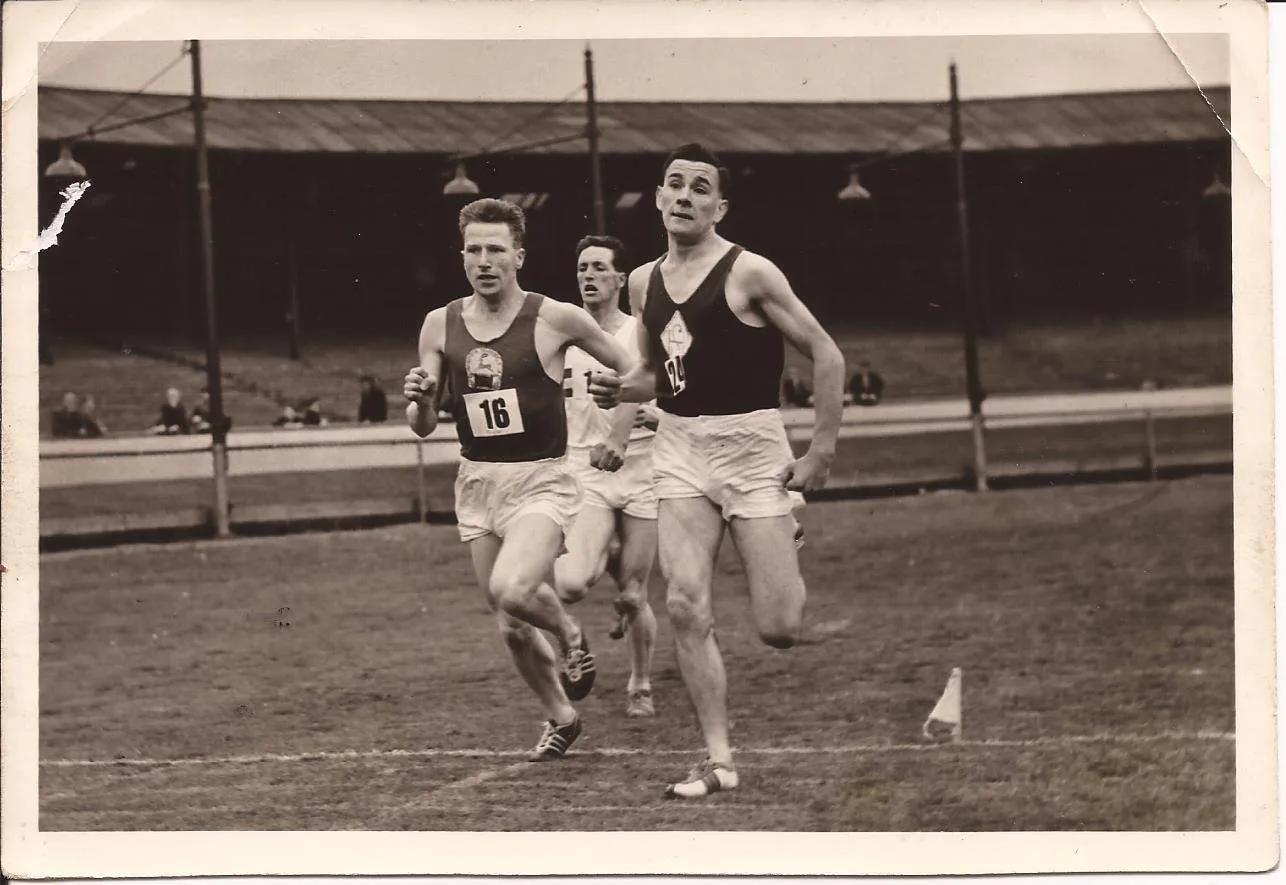
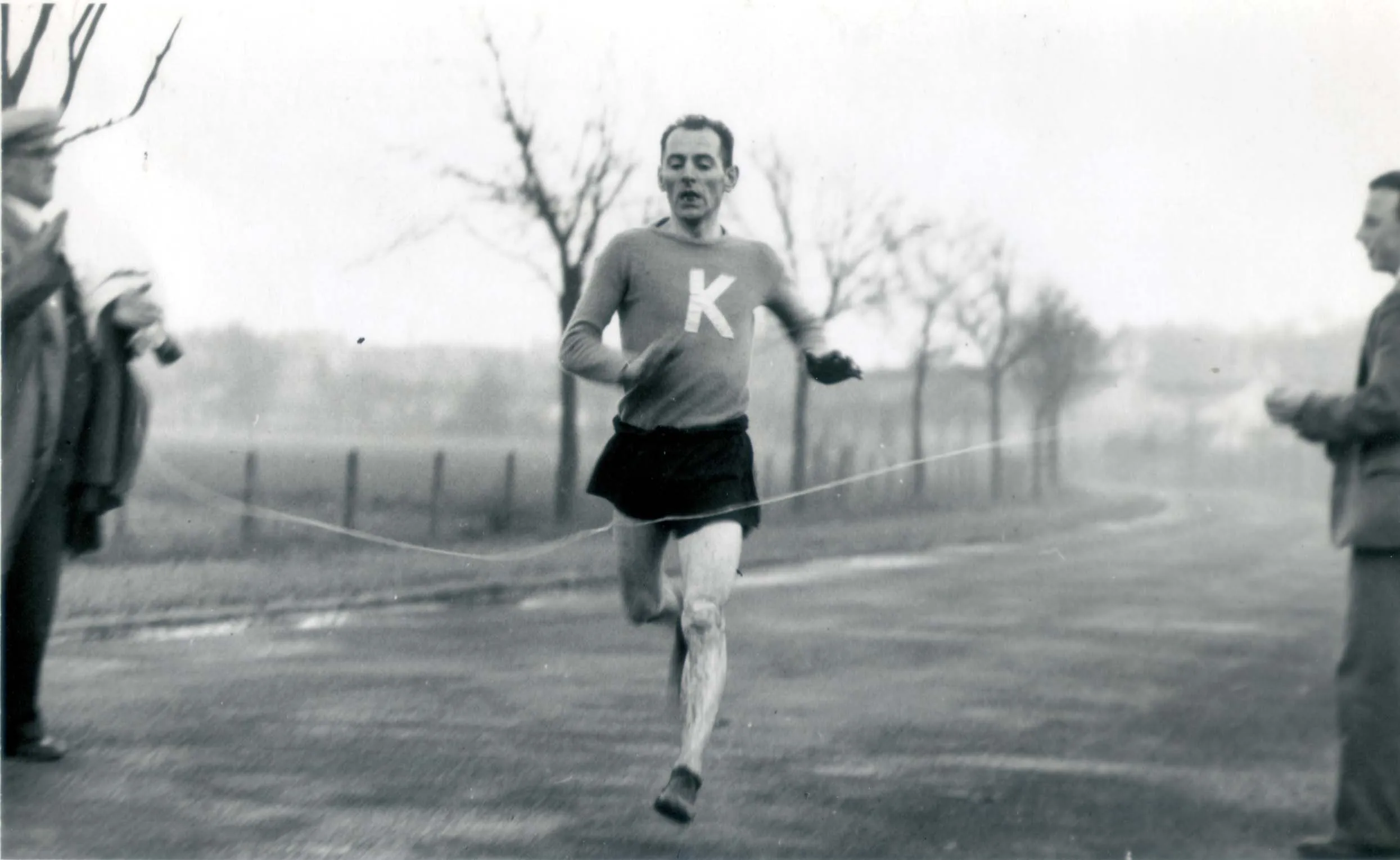
We have no record of the result of the race but this photo shows the “Ayrshires” getting underway at Benwhat (a long abandoned mining village near Dalmellington) in 1938, with a Harrier to the fore.

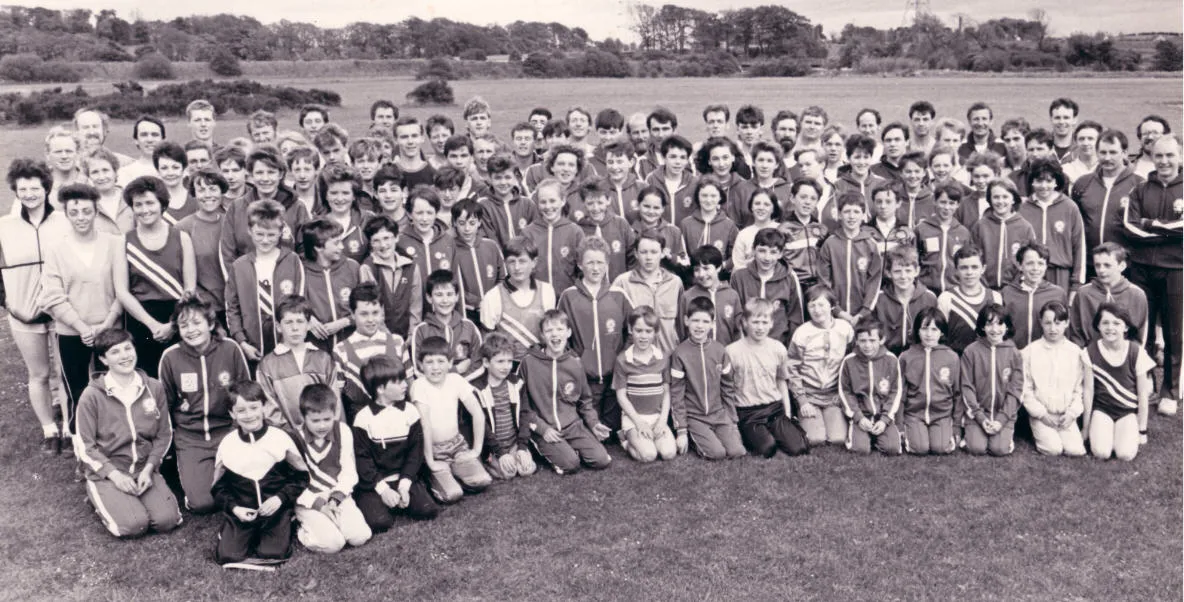
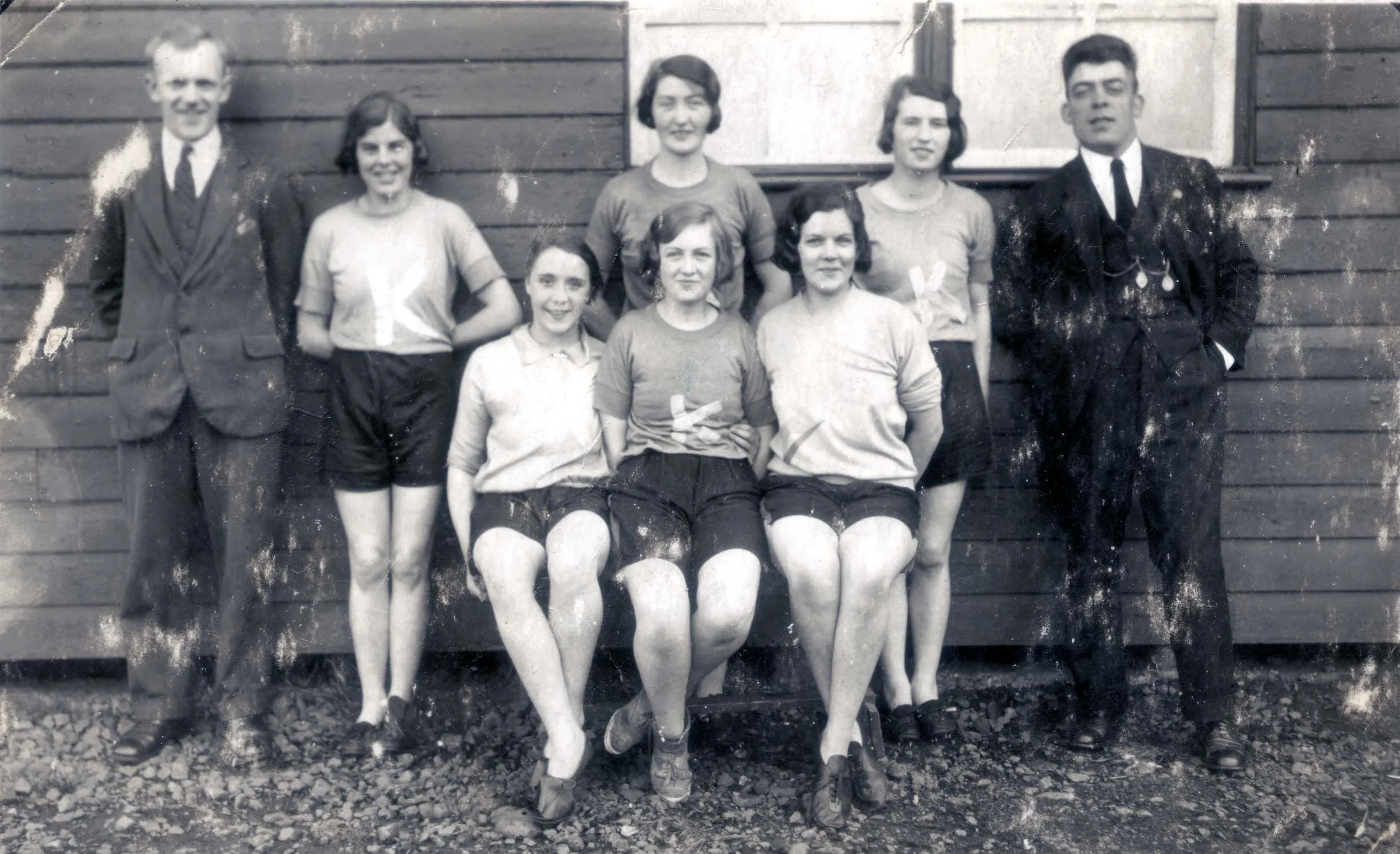
While the sport at that time featured mainly male competitors, we did at one time introduce a women’s section as the undated picture shows.

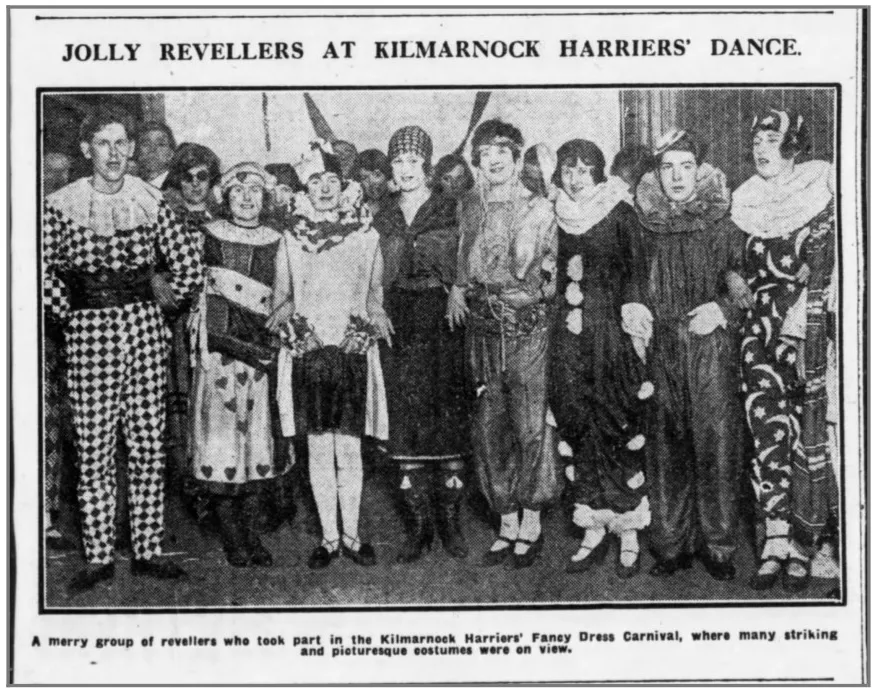
Just like today, the club members like to work hard and play hard (and we are always looking for ways to raise money! – no different in 2026.

Look at the quality of the fancy dress in this fund raising dance from 1926!

Individual Histories

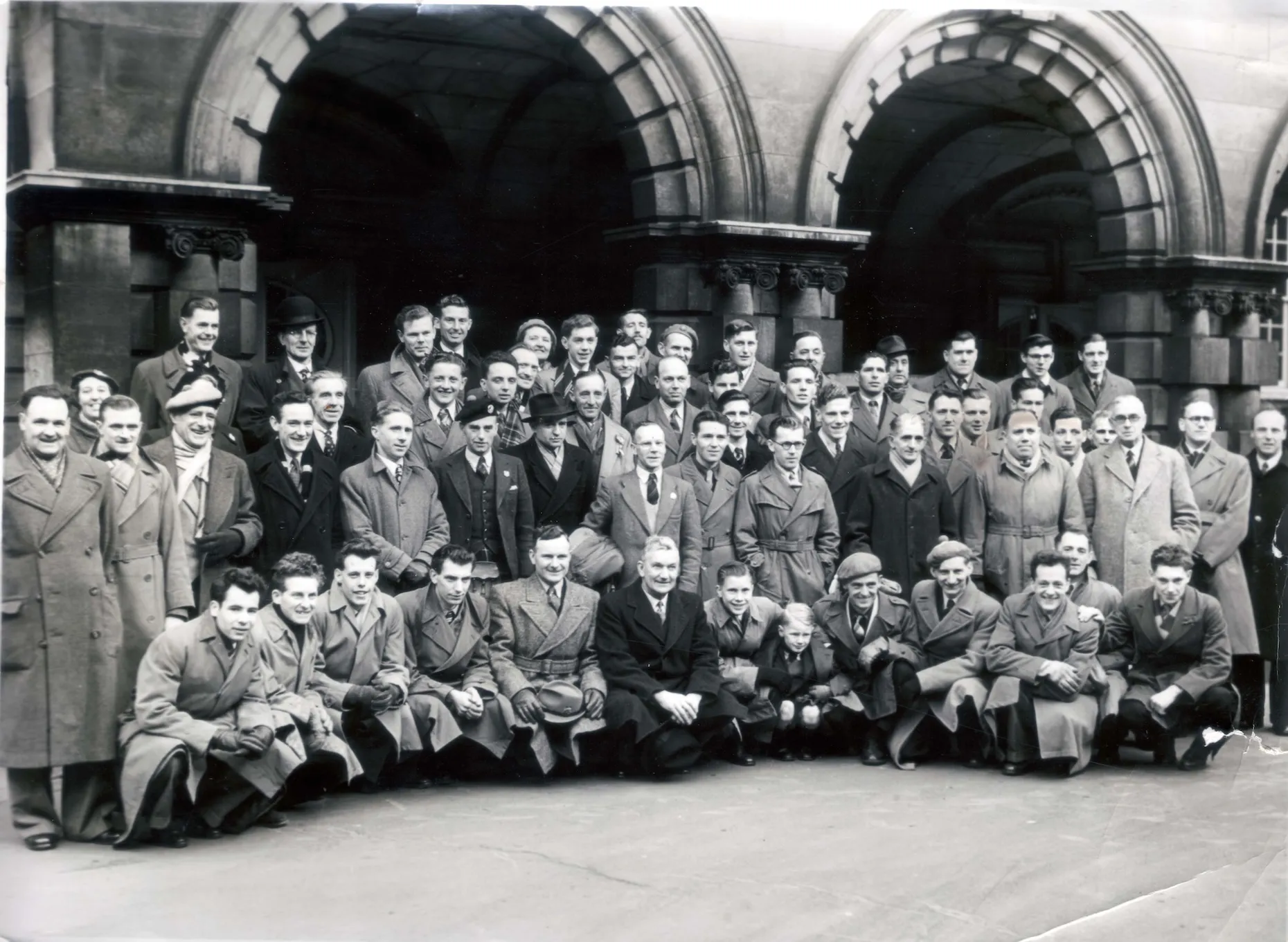
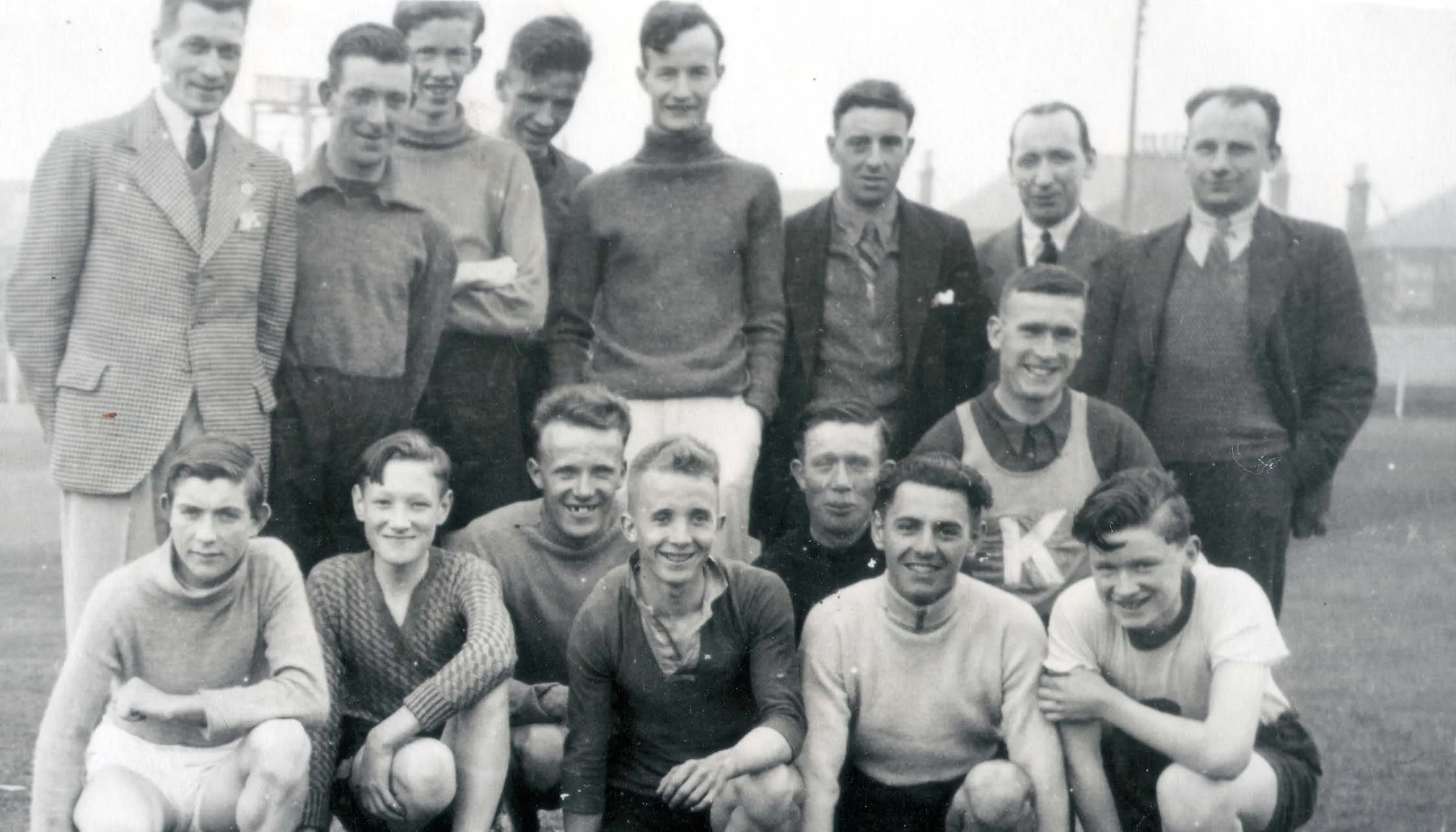
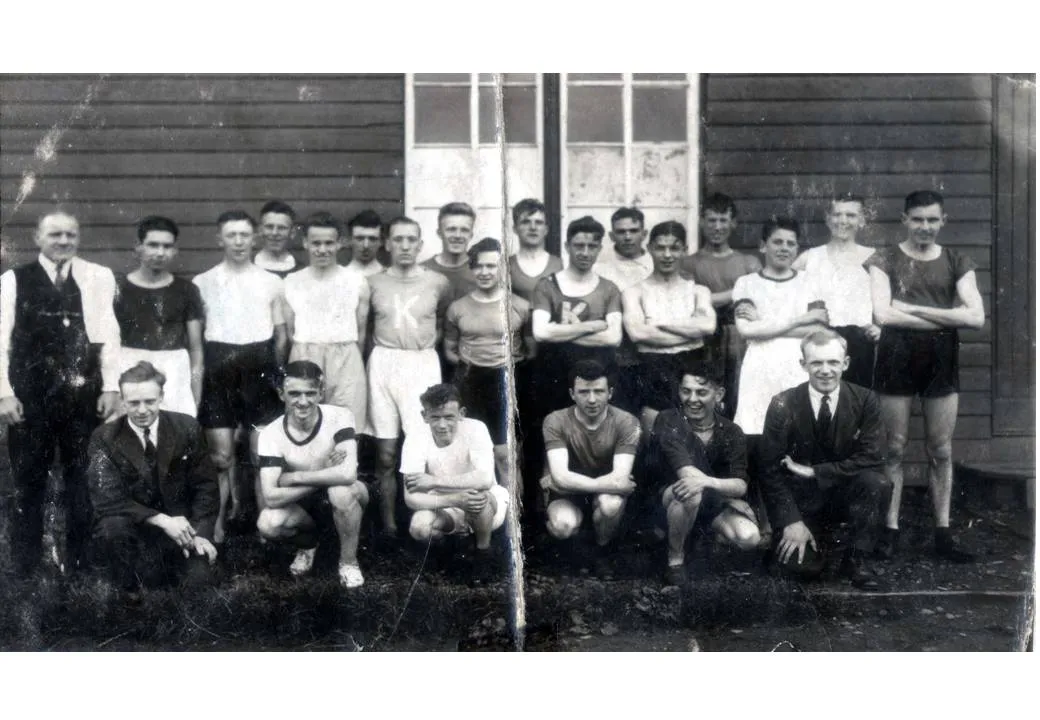
Obviously the many members that have passed through the club gates have their own stories to tell. In looking into the early days of the club I found a reference to William Thomson who joined the club before the First World War. In addition to being a runner he was a Territorial and as such was called up to serve in the Army. In 1916 he was wounded at Gallipoli but fortunately survived. He returned to his job on the railways and his hobby as a Harrier. He was elected President of the club in 1924 and made an honorary member in 1928. We believe that is him on the left of the back row, wearing his badge of office.

He was featured in a project by East Ayrshire primary school pupils to research railway workers who served in the Great War in conjunction with Kilmarnock Station Railway Heritage Trust.The children have done a magnificent job and their work can still be seen in Kilmarnock Station.

Club HQ

As mentioned above, when the club was formed initially it was based at Rugby Park, Sometime thereafter, possibly at the relaunch in 1913, it moved to the Rosebank Pavilion. I am not sure of the location of this. It was a hut and there are notes in the minute book from 1936 recording its sale for £14.

The new club premises were co-located with Kilmarnock Cricket Club at Kirkstyle (behind ASDA). They remained there until the development work and the sale of the Cricket Club grounds forced a move to Kilmarnock Academy (winter) / Scott Ellis Pavilion (summer). I am guessing 1970/1980 but happy to take corrections.

In 2012 we moved to a new purpose built facility at the Ayrshire Athletics Arena where we remain. The Daily Record marked the event with a piece on 12th April which included some wise words from our then President Jim Young. Unfortunately the article didn’t mention current President Donald Mackintosh who worked with Jim and East Ayrshire Council to make sure what we had as a dream became a reality. We are very grateful to you both.

Read the article

Otherwise Known As

It is worth mentioning that we have had a couple of brief changes in name over our history. In 1974 Ayrshire AAC were formed from ourselves, Irvine AC, Ayr Seaforth and runners from the Garnock Valley to allow Ayrshire athletes to compete as a strong club in national competitions. However the venture was short lived and it folded in 1976. During that period Kilmarnock Harriers didn’t disappear as an entity but runners competed under the Ayrshire AAC name and in the AAAC yellow vest.

The second name change took place in 1988 when a conversation at a private party between club member Drew Dick and Johnnie Walker Blending Manager Gilmour Burnet, started the process of the whisky company sponsoring the club. From 1988 till the early 2000s the club was known as Johnnie Walker Kilmarnock Harriers.

There is an excellent profile of the club at that time with a summary of performances from 1887 till 1988 in the Scotland’s Runner magazine.

Read the Scotland Runner article from 1988

If anyone has any updates or corrections / additions they would like made you can contact me at john.gebbie@btinternet.com.